
Solar Guide

More Information:

Your Complete Guide to Solar Energy

Understanding solar energy is the first step toward reducing electricity costs and embracing a cleaner future. This guide explains how solar power works, the main components of a solar system, and the factors you should consider before installing one. Whether you’re a homeowner or a business owner, this information will help you make informed decisions about solar energy.

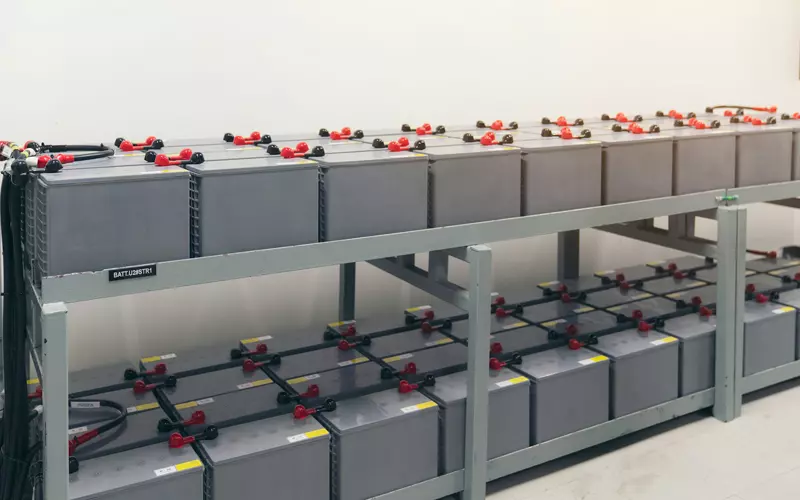
A solar power system captures sunlight through photovoltaic (PV) panels and converts it into electricity. The electricity generated is then sent to an inverter, which changes it into usable AC power for your home or business. Any excess electricity can be stored in batteries or exported to the utility grid, depending on your system configuration.

Main Components of a Solar System

Solar Panels

Solar panels absorb sunlight and convert it into direct current (DC) electricity. High-quality panels offer better efficiency and long-term performance.

Solar Inverter

The inverter converts DC electricity into AC electricity, making it suitable for household appliances and commercial equipment.

Frequently Ask Questions

The number of panels depends on your monthly electricity usage, roof size, and the wattage of the panels.
Regular cleaning and occasional inspections are usually enough to keep the system performing efficiently.
Yes. Solar panels continue generating electricity, although output is lower than on sunny days.
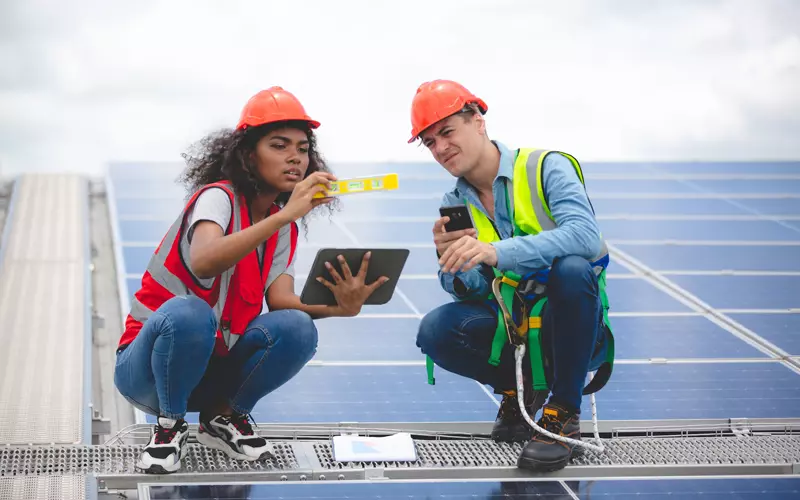
Most residential solar installations can be completed within one to three days, depending on the system size.